
Codependency is bigger than learning to say no

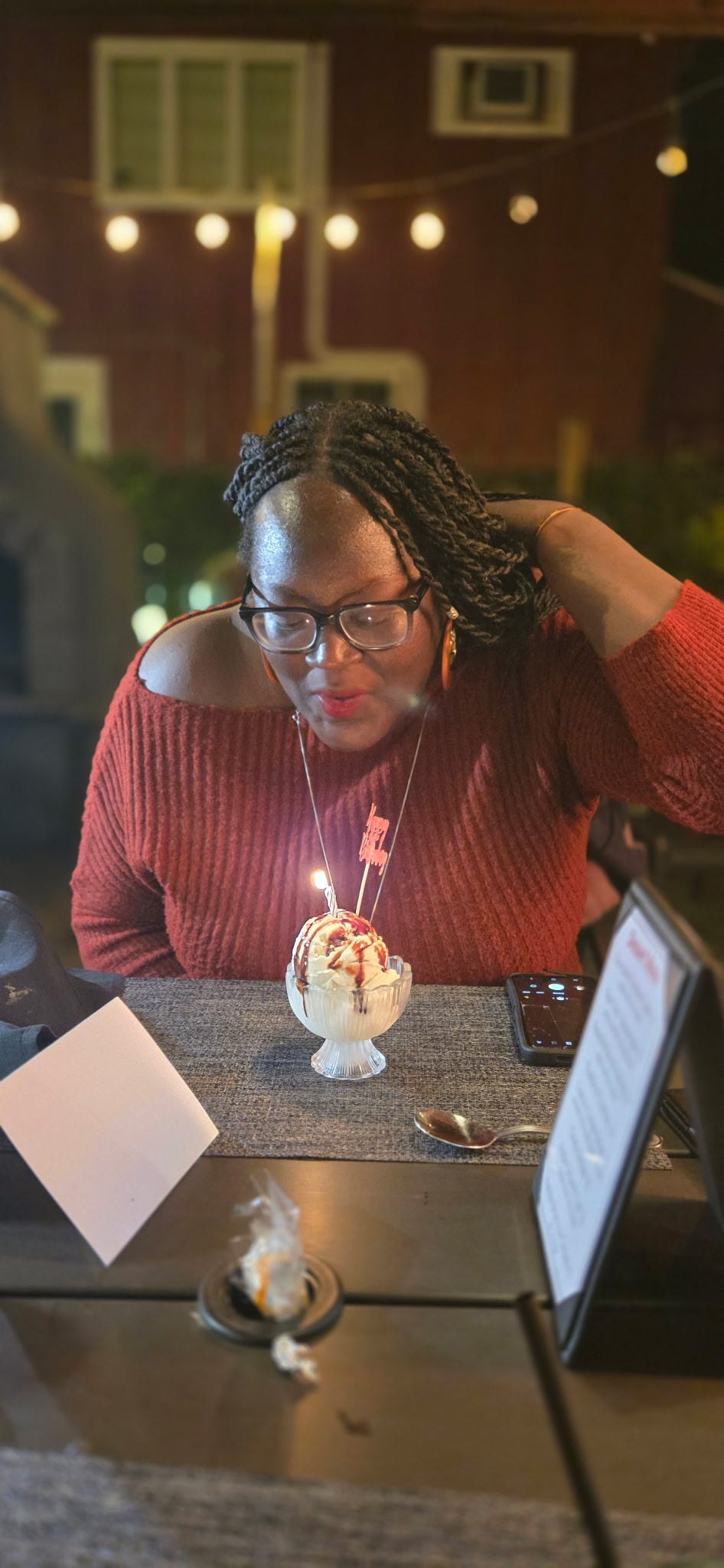
January 1st was my birthday! last year truly blew my mind. Life brought so many trials. For the first half of the year, I was literally in solitude with God and my thoughts.
Even though I have my master’s degree and several certifications, I continued my education in trauma. I wanted to understand it more deeply. And what I came to realize stopped me in my tracks:
Codependency is a trauma response.
It’s bigger than learning to say no.
It’s bigger than occasionally being indecisive or feeling like people take advantage of you.
It means something happened to you that caused you to become codependent.
That’s a game changer, right?
As a trauma response coach, this opened my eyes to better ways to support my clients and to deepen what healing from codependency actually requires. It takes self-awareness and reflection—looking honestly at our childhood experiences, their impact, and how they continue to show up in our present lives.
Let me be clear:
Codependency is not a personality flaw.
It’s not a weakness.
And it’s not a lack of faith.
It’s what happens when your nervous system learns that safety comes from staying alert, managing emotions (yours and others’), and keeping connection at all costs.
For a long time, I quietly wondered, What is wrong with me?
My mother often seemed frustrated with me and the things I did. My father was emotionally unavailable—showing love at times, but not consistently. Nothing about that felt dramatic or obvious. It was subtle. And because it was subtle, I learned to internalize it.
This is how codependency often forms—without our awareness.
It becomes a still, small voice that says, “You’re not good enough as you are. You need to do more.”
That voice doesn’t stay in childhood. When it goes unresolved, it follows us into adulthood, quietly shaping our relationships, our goals, and the way we show up in the world.
In friendships, intimate relationships, and even professional spaces, my nervous system showed up as the wounded little girl—hyper-aware, over-responsible, and deeply invested in keeping the peace.
When something felt off, I assumed it was my job to fix it.
I went above and beyond to make sure everyone else was comfortable. I had no idea how to check in with myself or ask what I needed.
At the time, I didn’t know this was survival. I thought it was just who I was.
Healing didn’t come from shaming these responses away. It came from understanding why they formed—and helping my body learn that safety no longer depended on over-functioning, fixing, or self-abandonment.
Faith didn’t erase my trauma responses.
It gave me the courage to meet them with compassion.
If this resonates, I invite you to reflect gently:
Where might you still be surviving in places that no longer require survival?
You don’t need to answer that today.
Awareness is the beginning of healing.
Feel free to hit reply and share with me if you need a safe space to reflect.
With love,
Taneshia Johnson, MSW, Certifed Trauma Informed Lifed Coach
TJselfcare
www.tjselfcare.com